

Combo strategies
Genre-topic pairings, audience fit, and when a safe sequel beats a risky experiment.
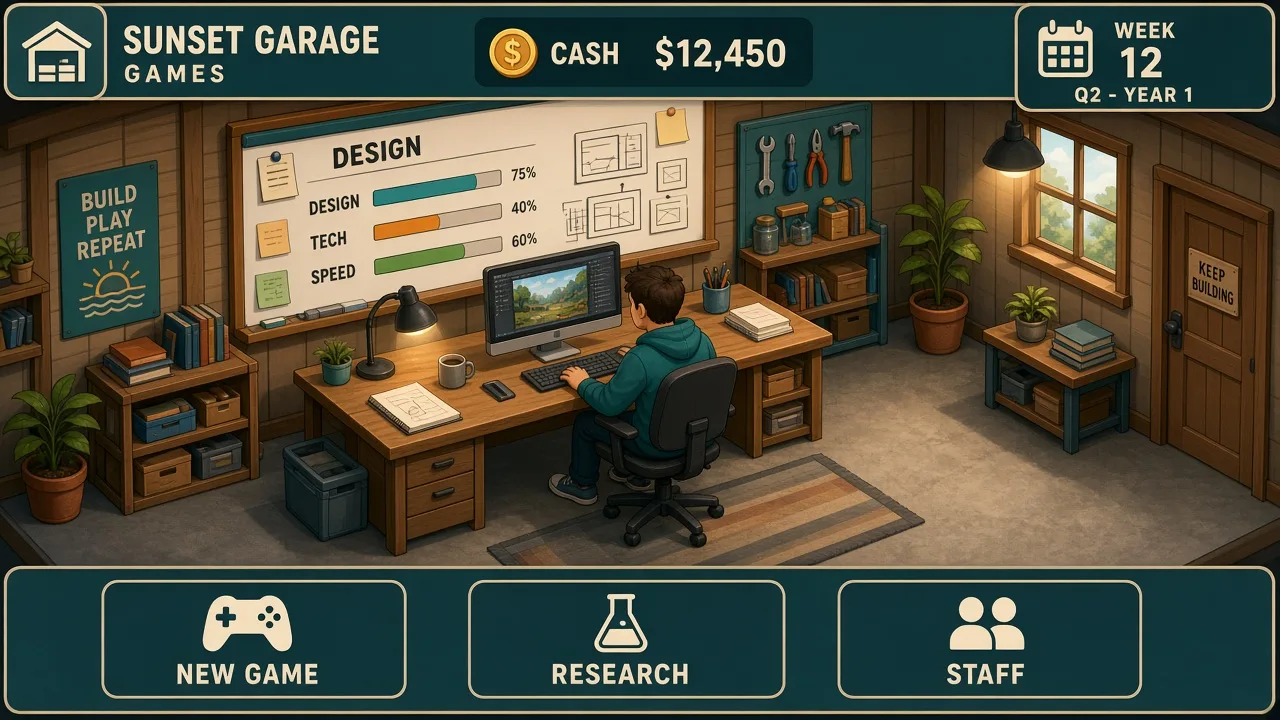
Independent Game Dev Tycoon fan guide
Studio Ledger maps how you open a garage studio, ship titles, research tech, hire specialists, and keep cash flowing between releases.
Core studio routes
Genre-topic pairings, audience fit, and when a safe sequel beats a risky experiment.
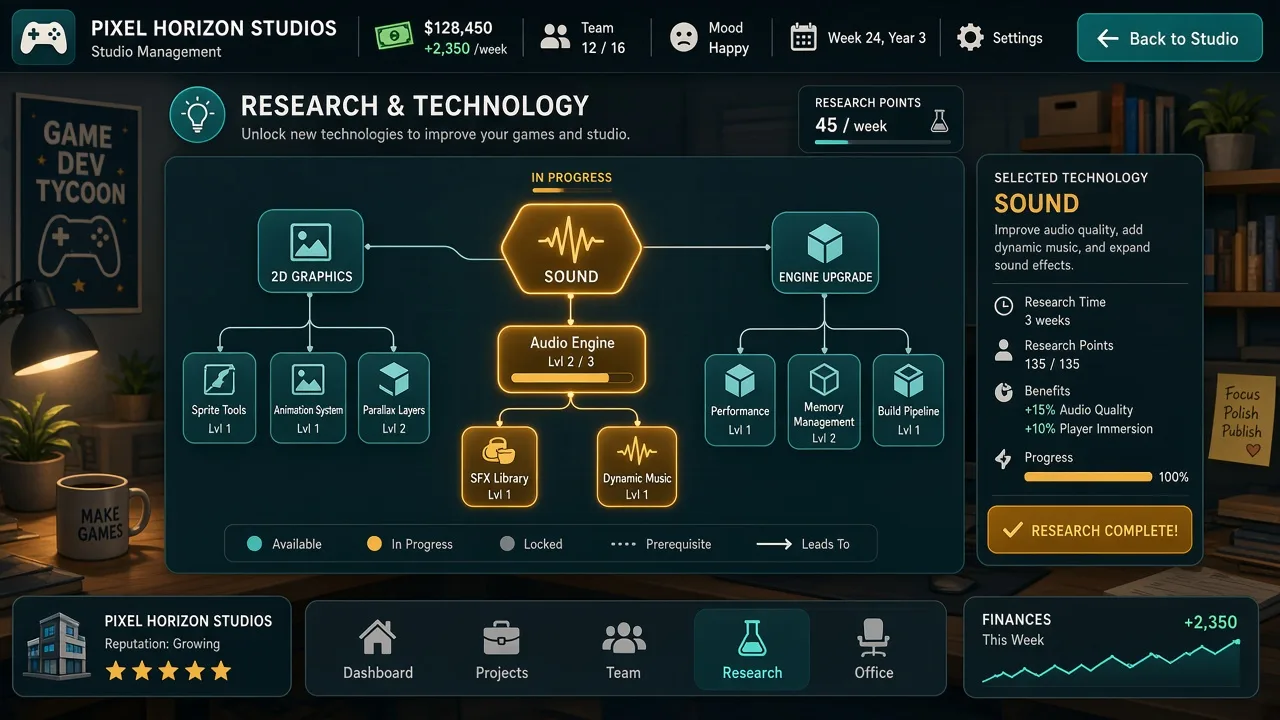
Research pacing, engine upgrades, and when a new platform actually pays for itself.
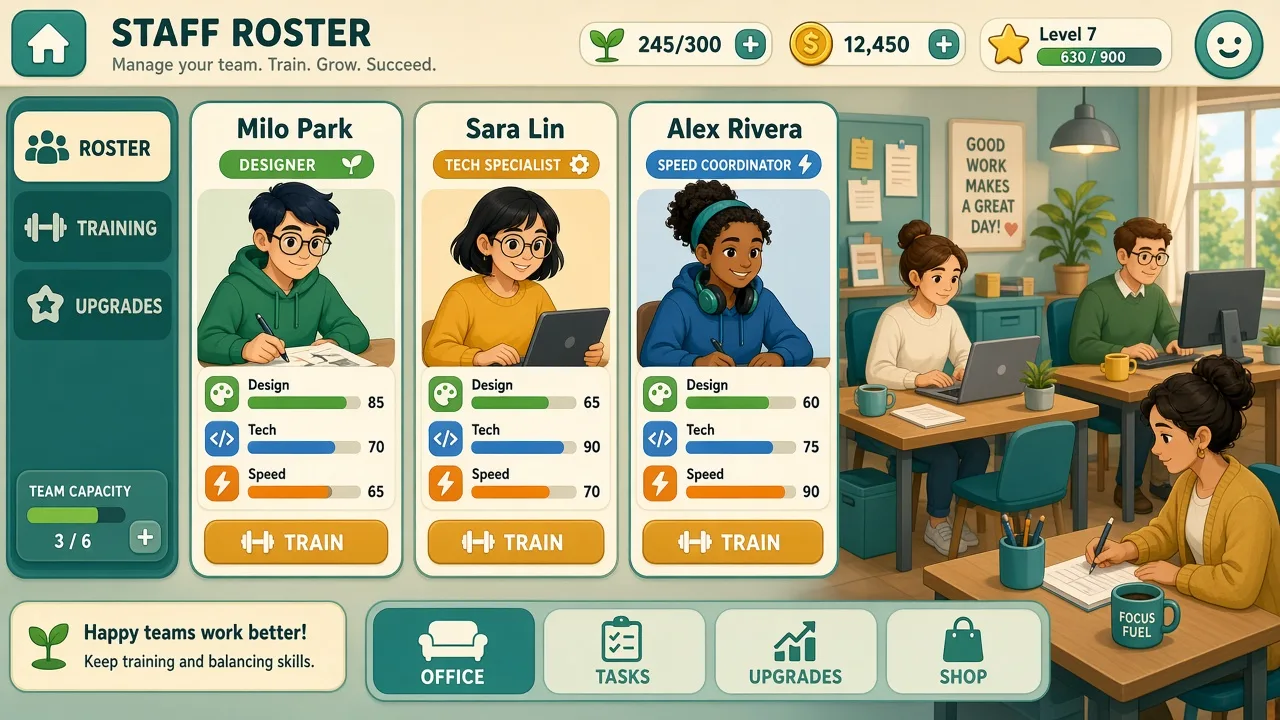
Role coverage, training timing, overtime risk, and keeping a small team productive.
We separate shiny ideas from burn rate, development weeks, and the runway you need before the next release lands.
A title can spike in week one and stall by month two. Fan scores, marketing spend, and sequel timing all shape the curve.
Each note flags common stalls: mismatched combos, late research, overstaffing, or expanding the office too early.
The
Ledger
advantage
Decision-first instead of hype-first
Studio Ledger treats Game Dev Tycoon as a full studio loop. We look at hiring timing, research queues, marketing windows, office upgrades, and how cleanly you can start the next project after a launch.
That makes the notes useful for new Game Dev Tycoon players, reboot runs, and anyone rebuilding a garage team into a lasting label.
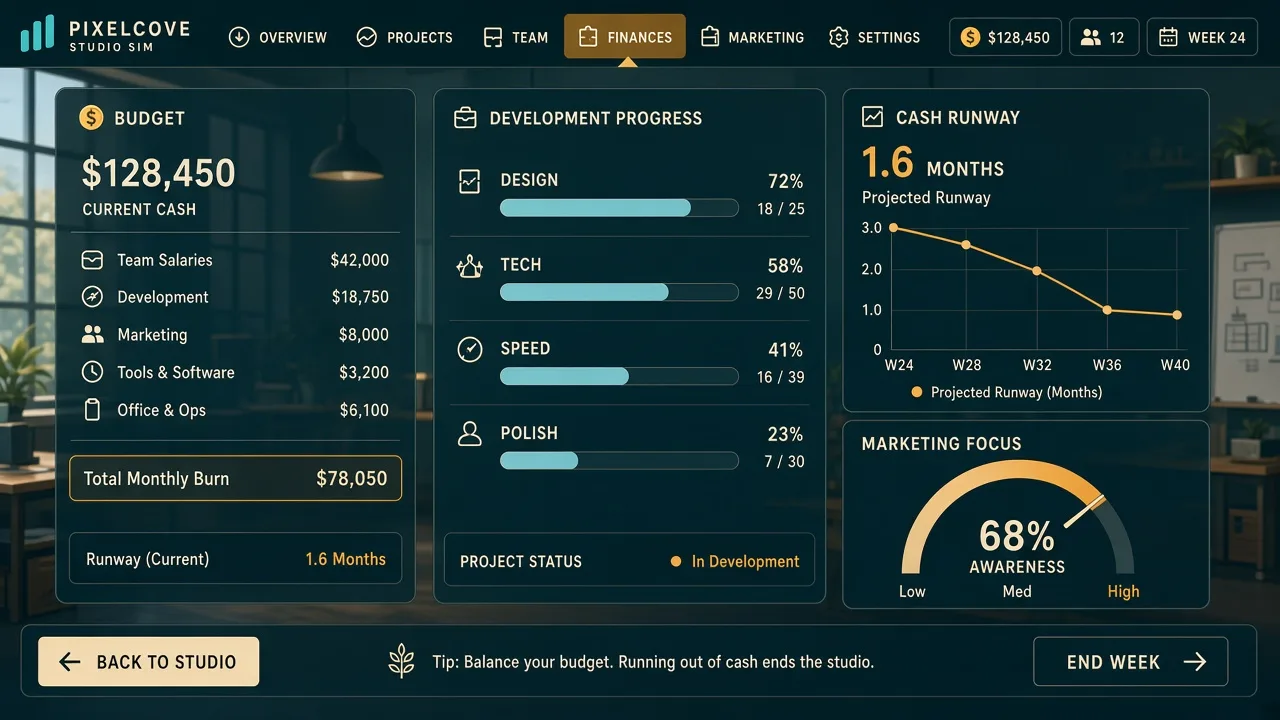
Check the runway before the next ambitious pitch wins you over.
Common studio note
Latest desk notes
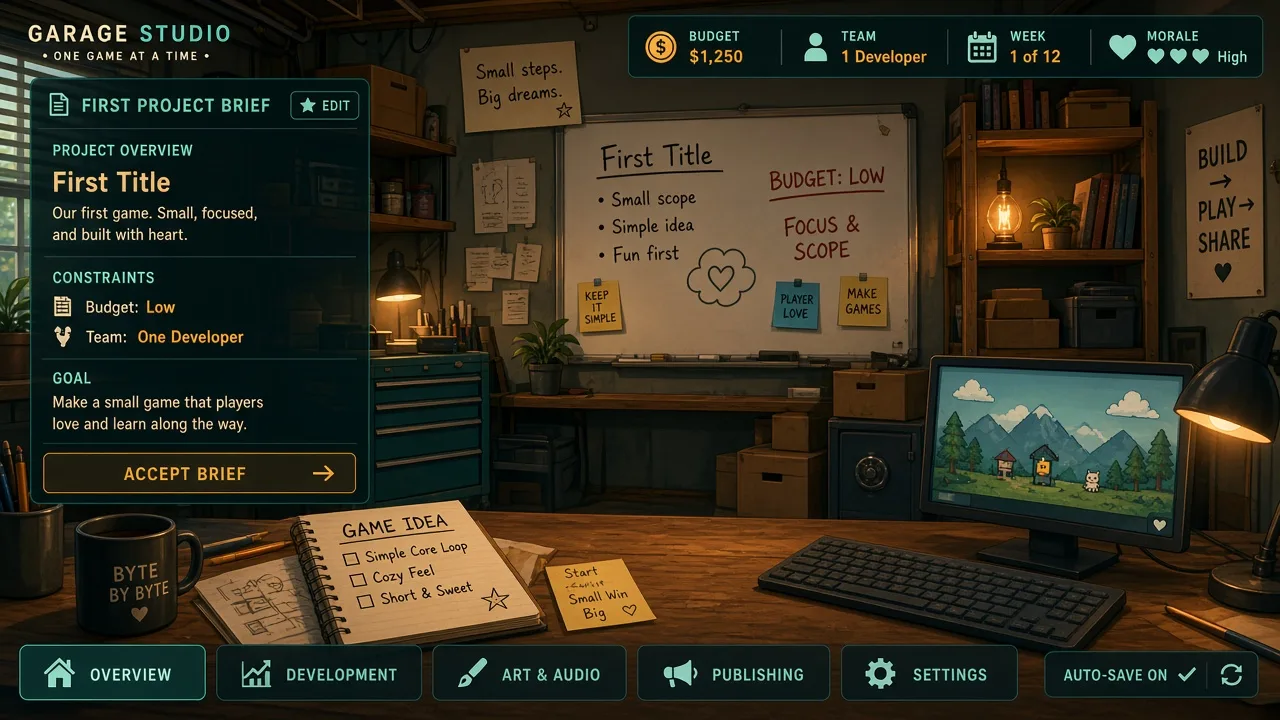
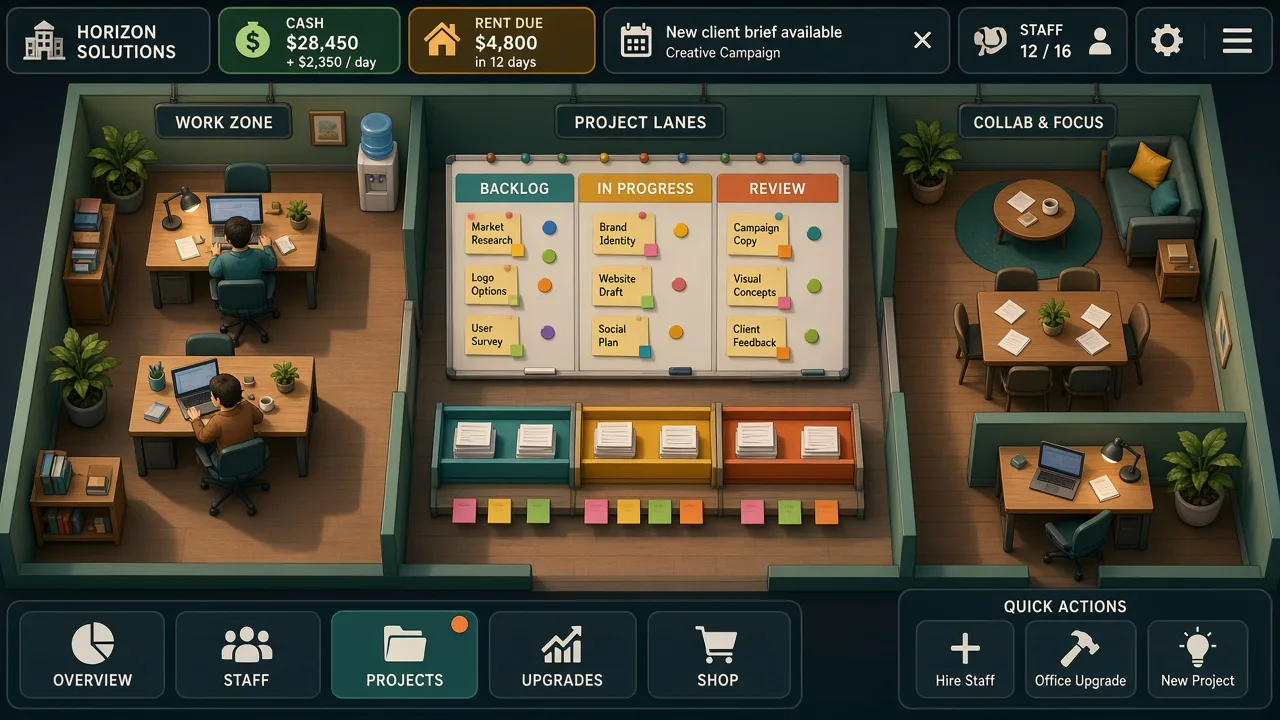
What changes when rent rises, when more desks unlock parallel work, and when training becomes the real bottleneck.
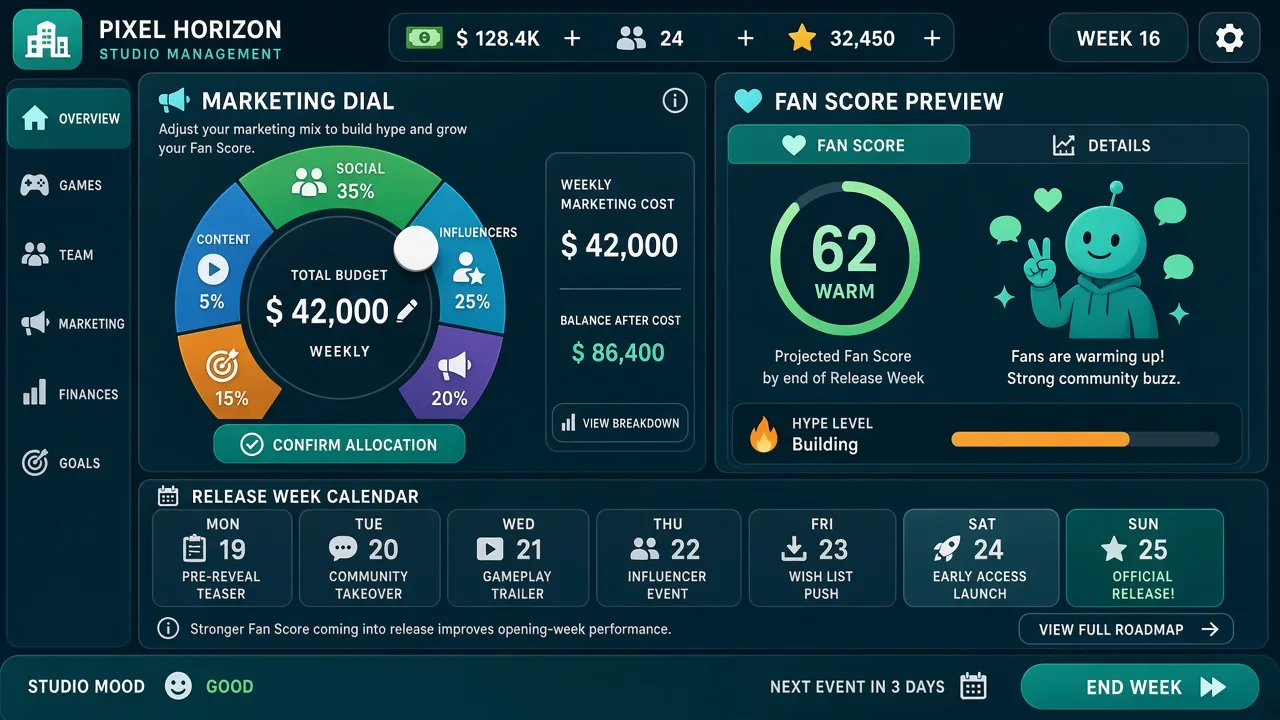
Spend too early and you starve research; spend too late and a solid build lands quietly.
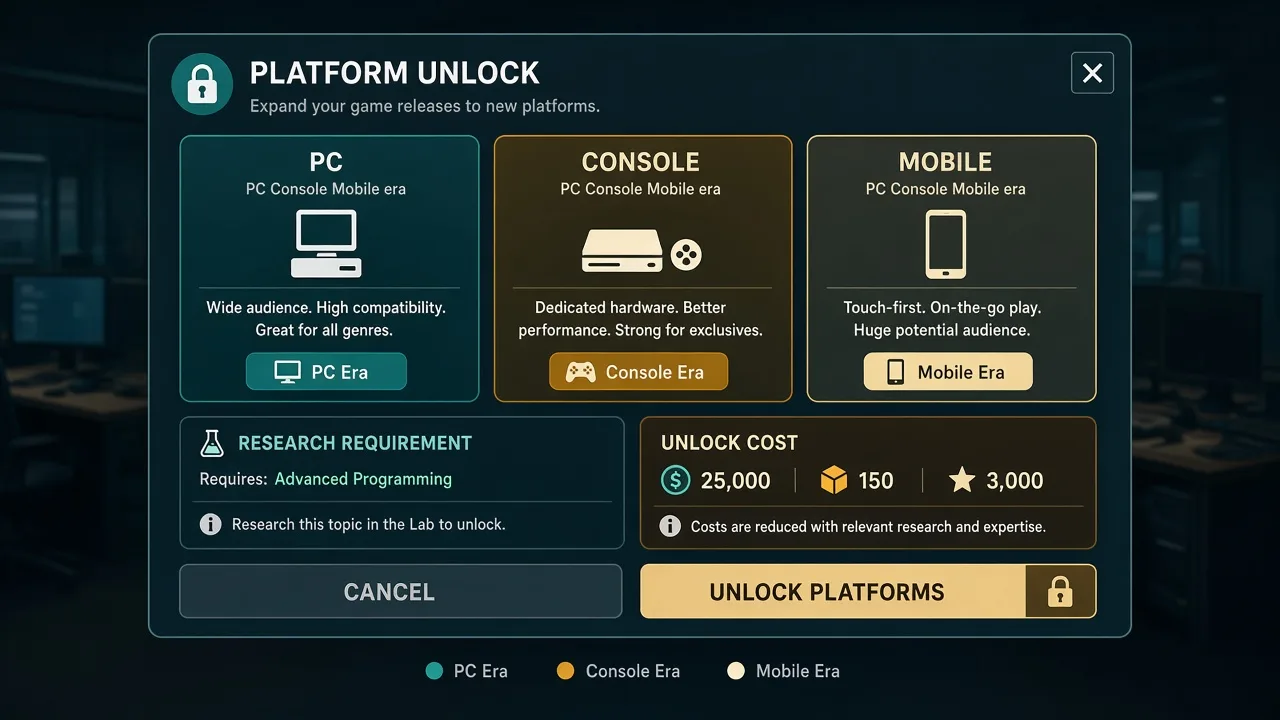
New hardware eras change audience size, development cost, and which genre-topic pairs still hold up.
practical strategy board
A project can look promising on the pitch board and still stall after one bad hiring wave. These checks keep the guide grounded.
Genre and topic pairs, audience expectations, and sequel fatigue are weighed before you lock a multi-month build.
Skill gaps, training queues, specialist hire timing, and overtime pressure are noted before promising a harder title.
Research order, engine upgrades, and platform unlocks are separated from creative ambition so cash does not disappear mid project.
Studio Ledger checks whether the studio can still ship after the first hit, once rent, reputation, and team size are clearer.